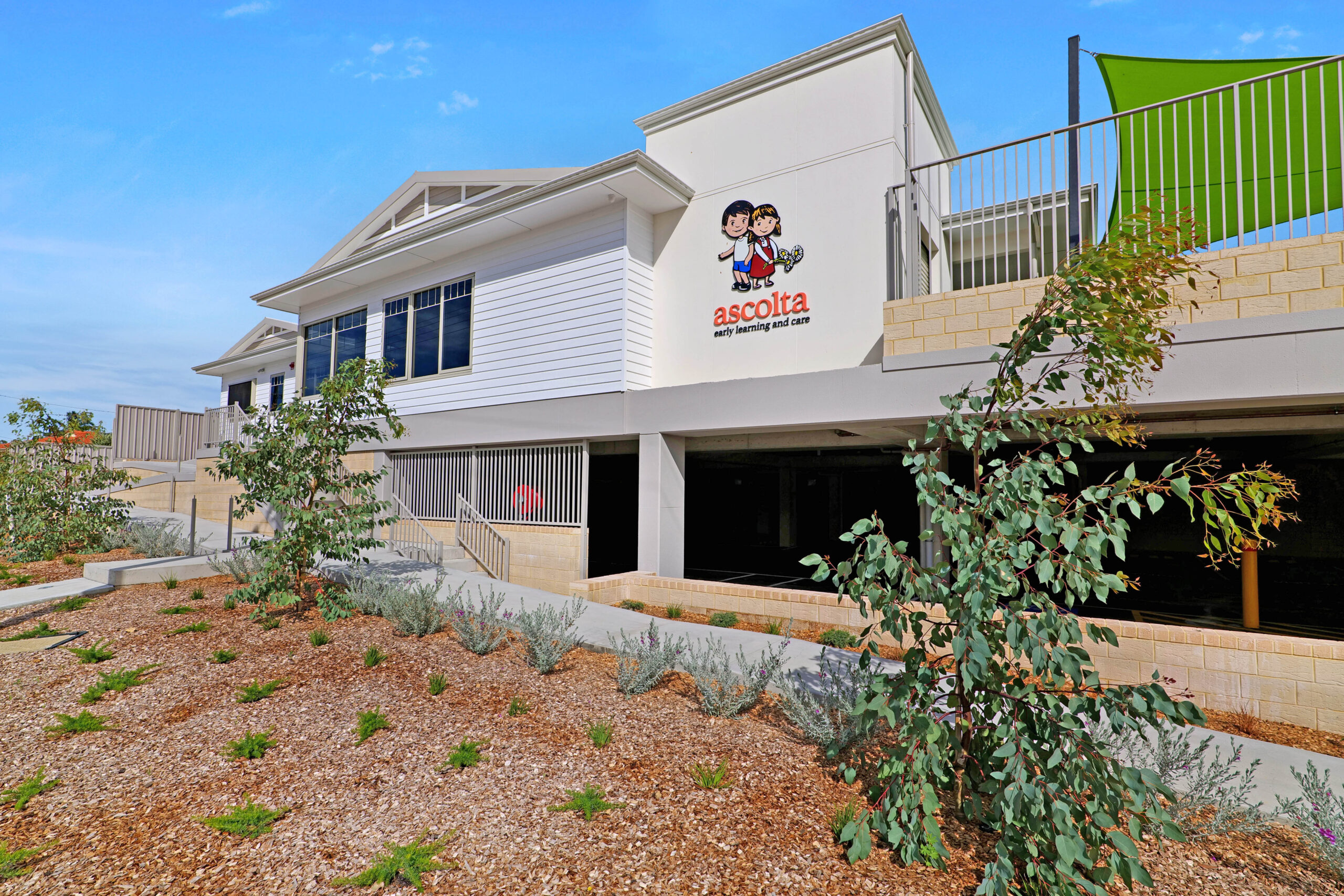
The early learning and childcare sector in Australia is no longer simply growing – it’s recalibrating. In 2025, investors are engaging with the asset class not purely as a yield play, but as a sophisticated, future-facing component of national infrastructure.
According to Sterling Property Partner and childcare investment specialist Jake Wallman, the market has moved beyond resilience. “We’re now seeing a sector underpinned by long-term demographic strength, smarter operational models, and increasingly institutional-grade investment fundamentals,” Mr Wallman said.
The State of Play: A Maturing Asset Class
Across Australia, transaction volumes in the childcare sector remain robust, with yields for quality pre-leased assets holding firm even in a higher interest rate environment. Buyer competition remains strongest for metropolitan centres leased to national operators on 10 to 15-year terms with fixed annual rent increases.
Mr Wallman said the profile of active buyers has also evolved. “Private capital continues to dominate, but we’re seeing a notable shift toward institutional players. Boutique funds, REITs and family offices are targeting childcare as a long-term income stream backed by federal policy and demand stability.”
He noted that planning and design standards are also improving, driven by operator demand for more efficient layouts, compliance readiness, and parent engagement features – from improved accessibility to integrated outdoor space.
APAC Market Dynamics and Policy-Driven Shifts
At the recent 2nd Annual Childcare & Early Learning Real Estate Summit in Sydney, Mr Wallman, who was joined by Sterling Property Associate Simon Brady, engaged with industry leaders and stakeholders from across the Asia-Pacific – “There’s a regional convergence happening. We’re seeing shared trends around compliance reform, labour shortages, digital enrolment platforms, and rising parent expectations,” he said.
Australian regulation, led by the National Quality Framework, remains among the most developed in the region. Mr Wallman said this standardisation creates clarity for investors and underpins long-term asset value.
“What’s clear is that childcare across the region is moving toward greater accountability and transparency, which ultimately supports more secure leasing environments.”
Futureproofing Through Government Support
Federal government policy continues to be a critical driver. New initiatives such as the $426.6 million “3 Day Guarantee” and the $1 billion Building Early Education Fund are reshaping supply and demand dynamics.
“These initiatives aren’t just about providing a short-term stimulus,” Mr Wallman said. “They are laying the groundwork for deeper access, higher occupancy, and improved staff retention – all of which increase revenue certainty for operators and reduce investment risk.”
Wage subsidies, development incentives, and a focus on disadvantaged and regional areas are expected to support new centre delivery while shoring up performance in existing ones. In Mr Wallman’s view, this is where the opportunity lies for owners of leased investments.
“Operators with scale and reputation are better placed to leverage these policy settings. And when you pair those operators with secure leases and high-performing locations, you’re looking at an attractive-yield, low-volatility investment.”
Long-Term Security and the Immigration Factor
One of the most thought-provoking insights at the Summit came from economist Brian Haratsis of MacroPlan, who addressed the demographic realities driving early learning demand.
“Immigration remains a key pillar of population growth, but what’s changing is the lifecycle of new Australians,” Mr Wallman said. “Many are delaying starting families compared to previous decades. This extends the timeline of demand – it’s not peaking now, it’s stretching into the next 5 to 10 years.”
This deferred demand curve means the sector isn’t just experiencing a boom – it’s on a longer runway, with broader implications for site selection, enrolment patterns, and service delivery models.
Final Thoughts
As policy, planning, and population trends converge, childcare assets are proving their weight in stability and strategic value. For investors, leased centres anchored by strong operators represent one of the most compelling plays in the current market – providing reliable income today, and structural upside tomorrow.
To learn more about childcare investment strategies or upcoming opportunities, please contact:
Jake Wallman – Partner, Sterling Property | M: 0403 975 298 | E: jwallman@sterlingproperty.au